AfterMATH

AfterMATH

Disaster Recovery Strategy Based on Slime Mould Algorithm

DATE

2025.09

LOCATION

Tokyo, Japan

ADVISOR

Independent

COLLABORATOR

Yannis Yiu

Project Overview

In the past millions of years, Japan has experienced countless of catastrophes, which have led the country to develop a unique disaster resilience system. Nowadays, with the advancement of new technologies, there are more possibilities to be explored.

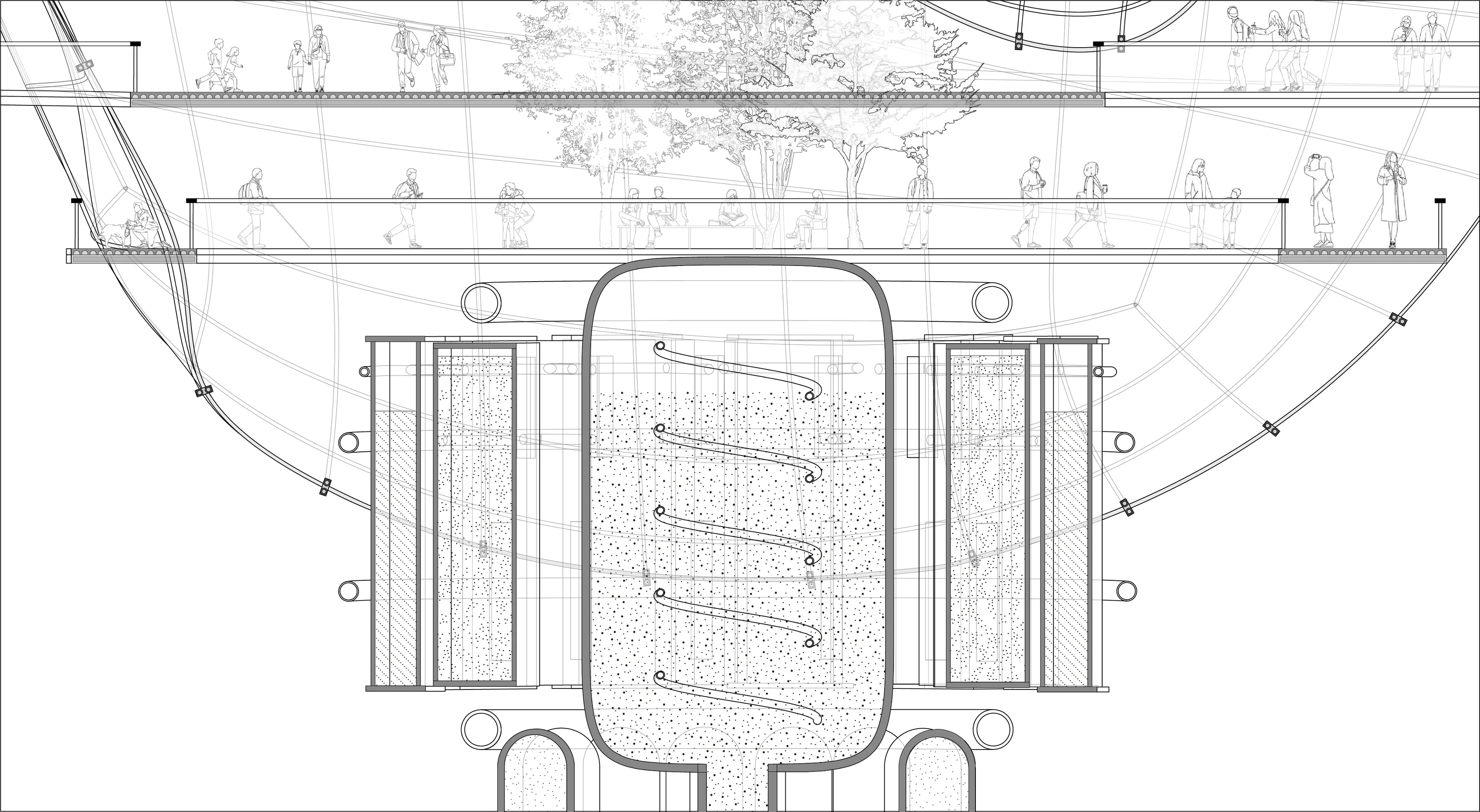
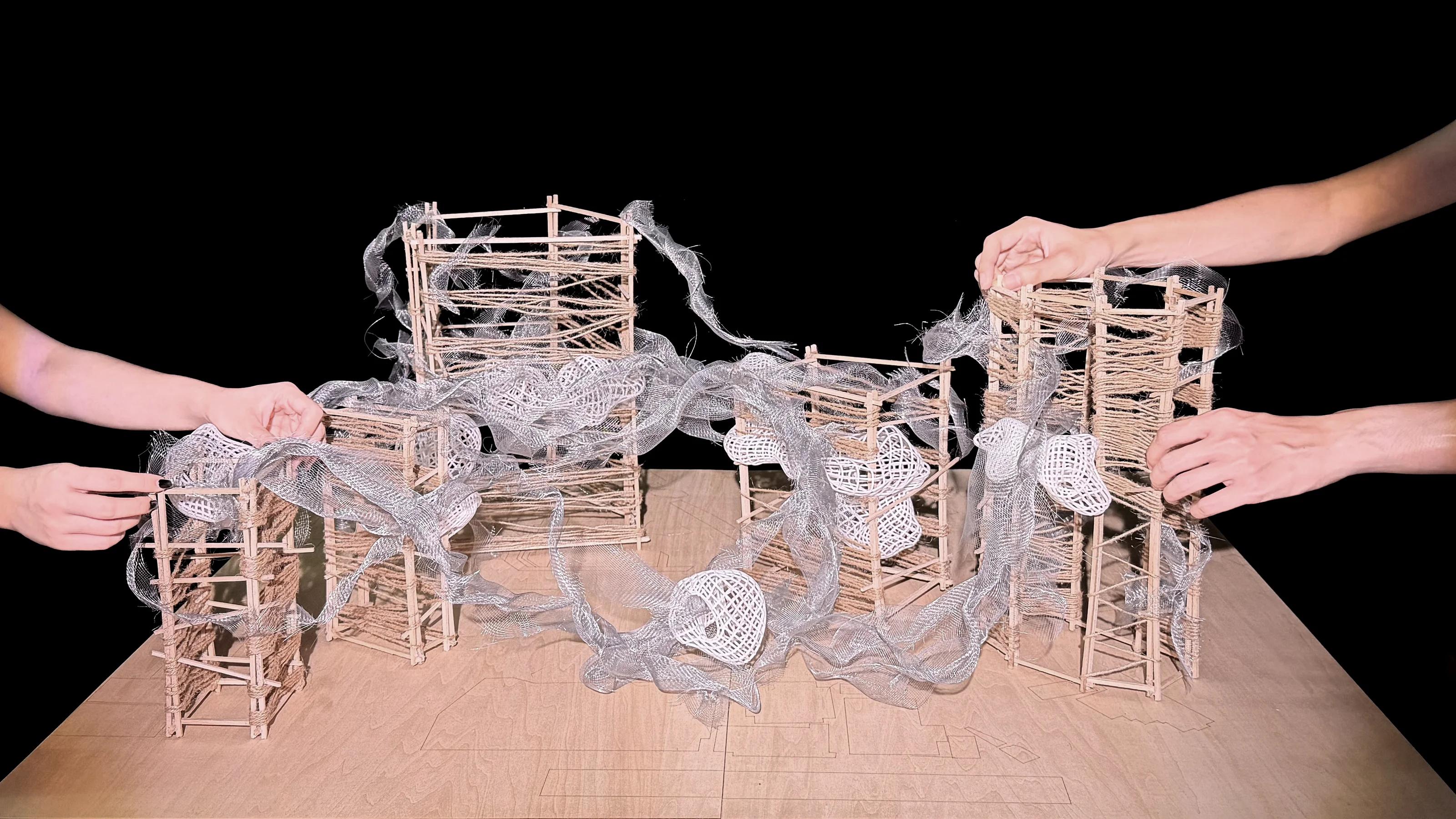
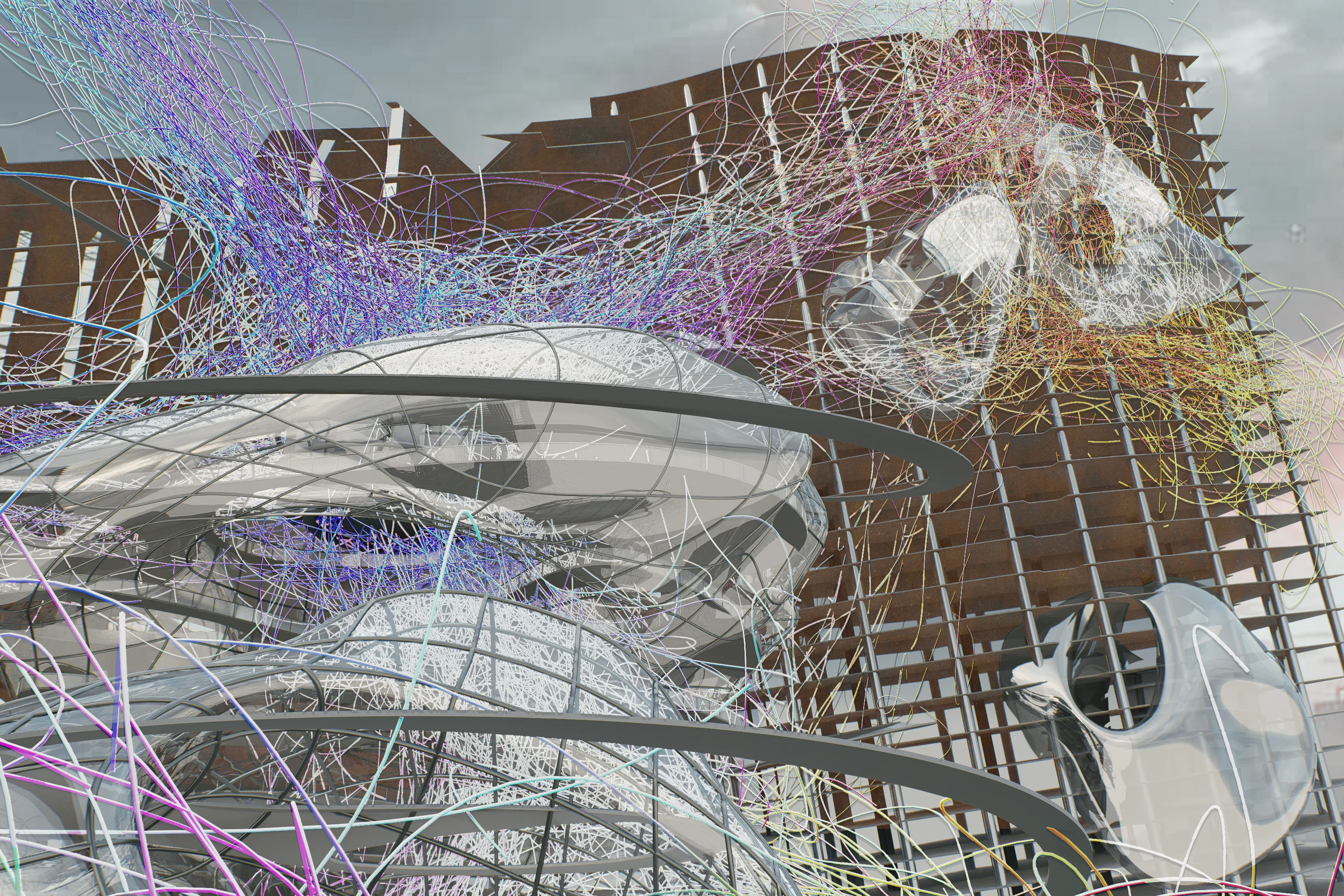
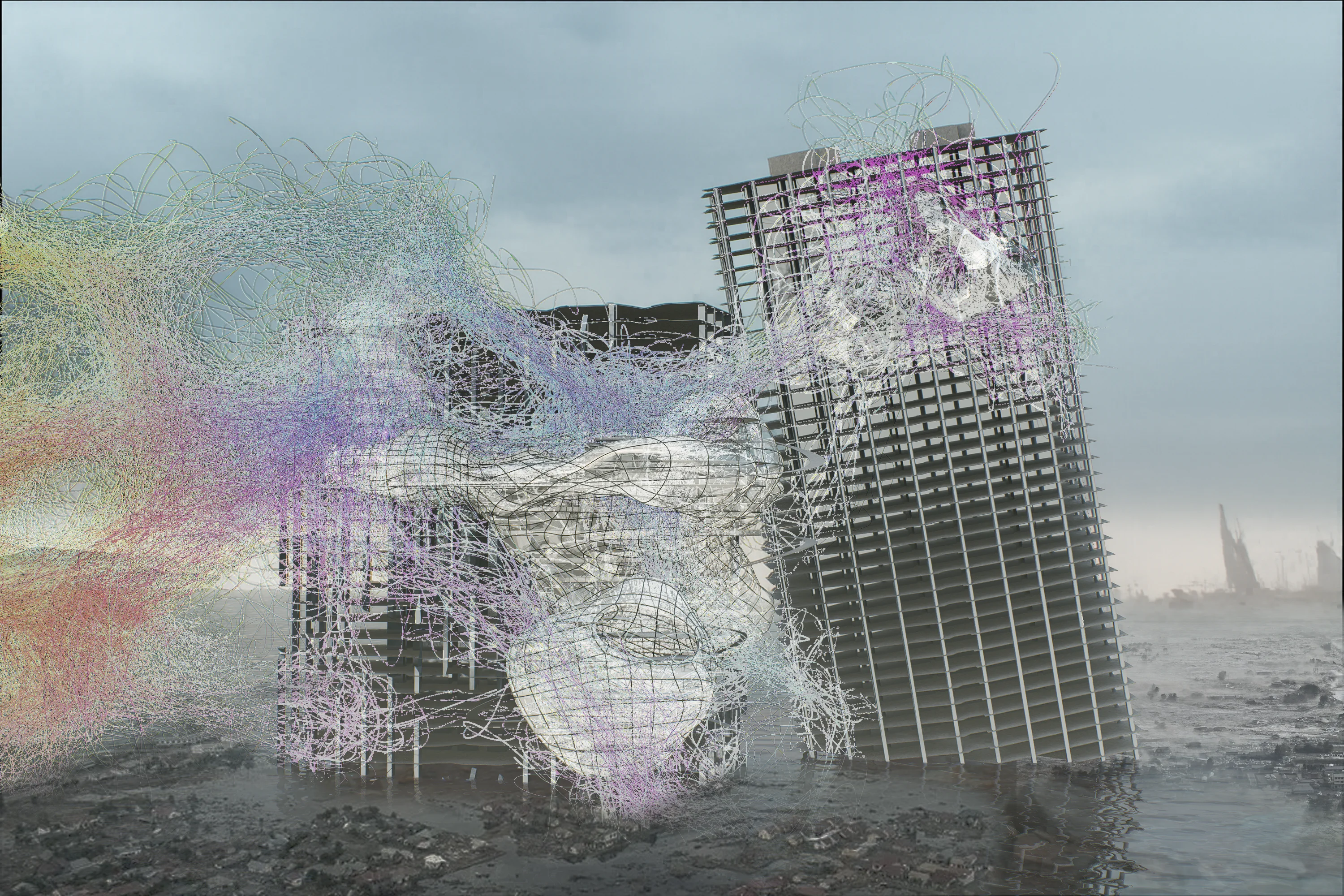
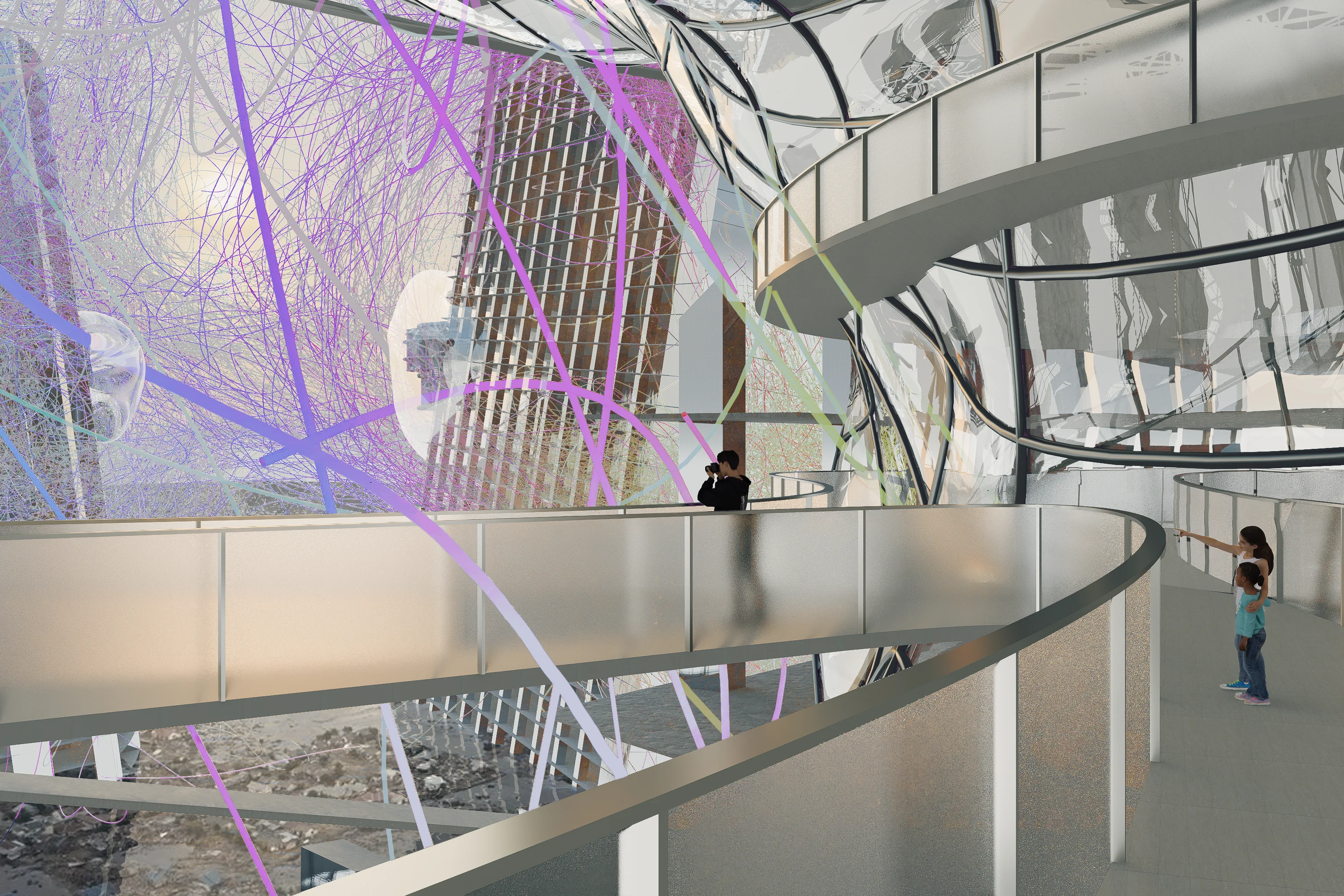
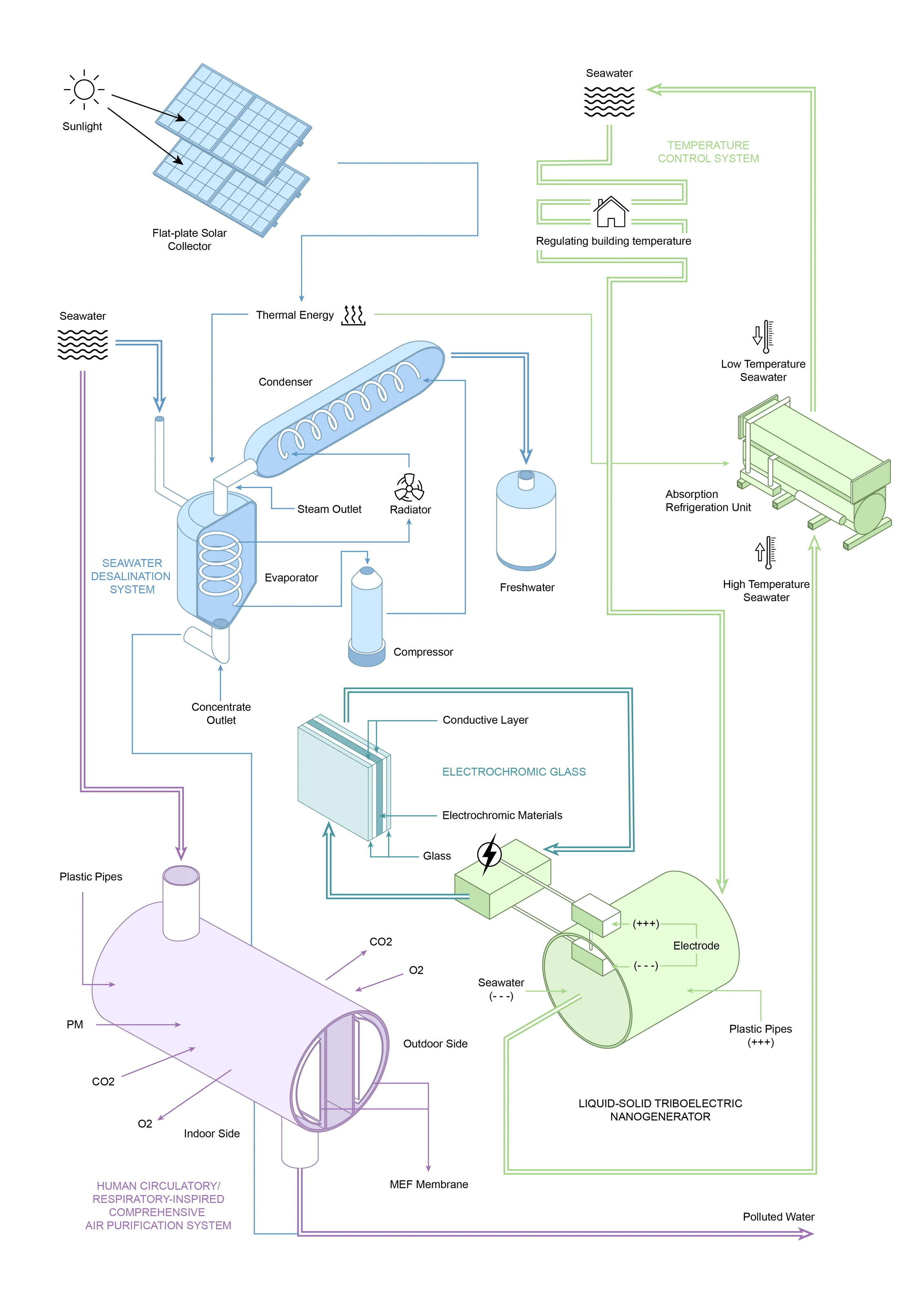
As a tsunami submerges the ground, buildings are seperated. High-strength materials reconnect them at elevated levels, forming complexes that house machinery and links. Pipelines using local seawater with biofilms and conversion devices provide ventilation, climate control, and power.

Location

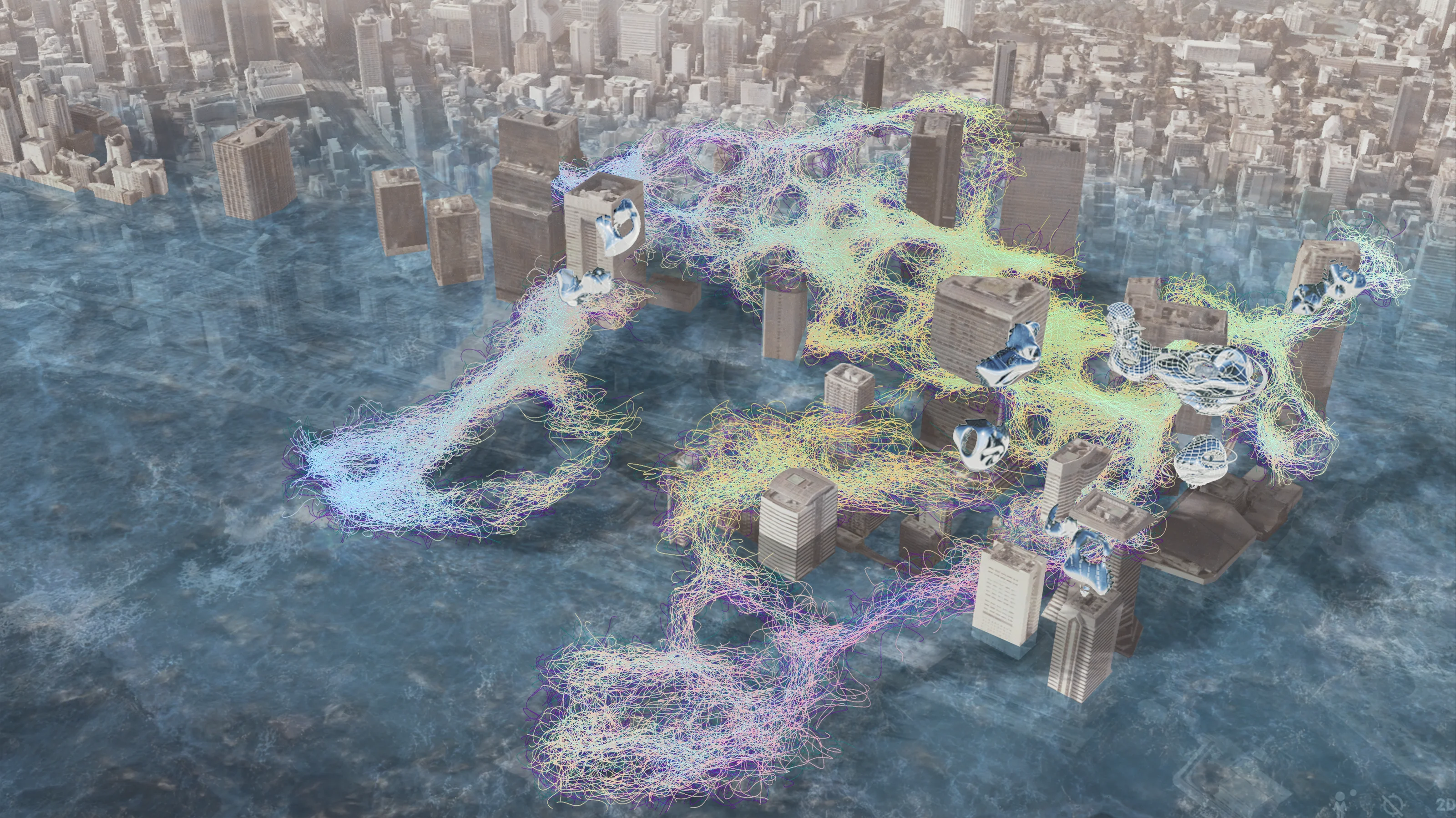
The site for this project is located on the coast of Tokyo, Japan -- an area severely affected by tsunamis and highly vulnerable to such disasters. When a tsunami inundates the ground level, high-rise buildings become isolated islands, severely hampering rescue operations鈥攁 challenge that has consistently plagued disaster relief efforts in the past.

System & Strategy

To address this issue, we utilized high-strength materials to construct a network of conduits between the high-rise buildings; by leveraging the seawater present on the site, this system facilitates power supply, gas exchange, and temperature control, thereby supporting the buildings' emergency management operations. We employed the Slime Mould Algorithm to determine the layout of these conduits, basing the configuration on identified pedestrian gathering points and pre-established atrium spaces.
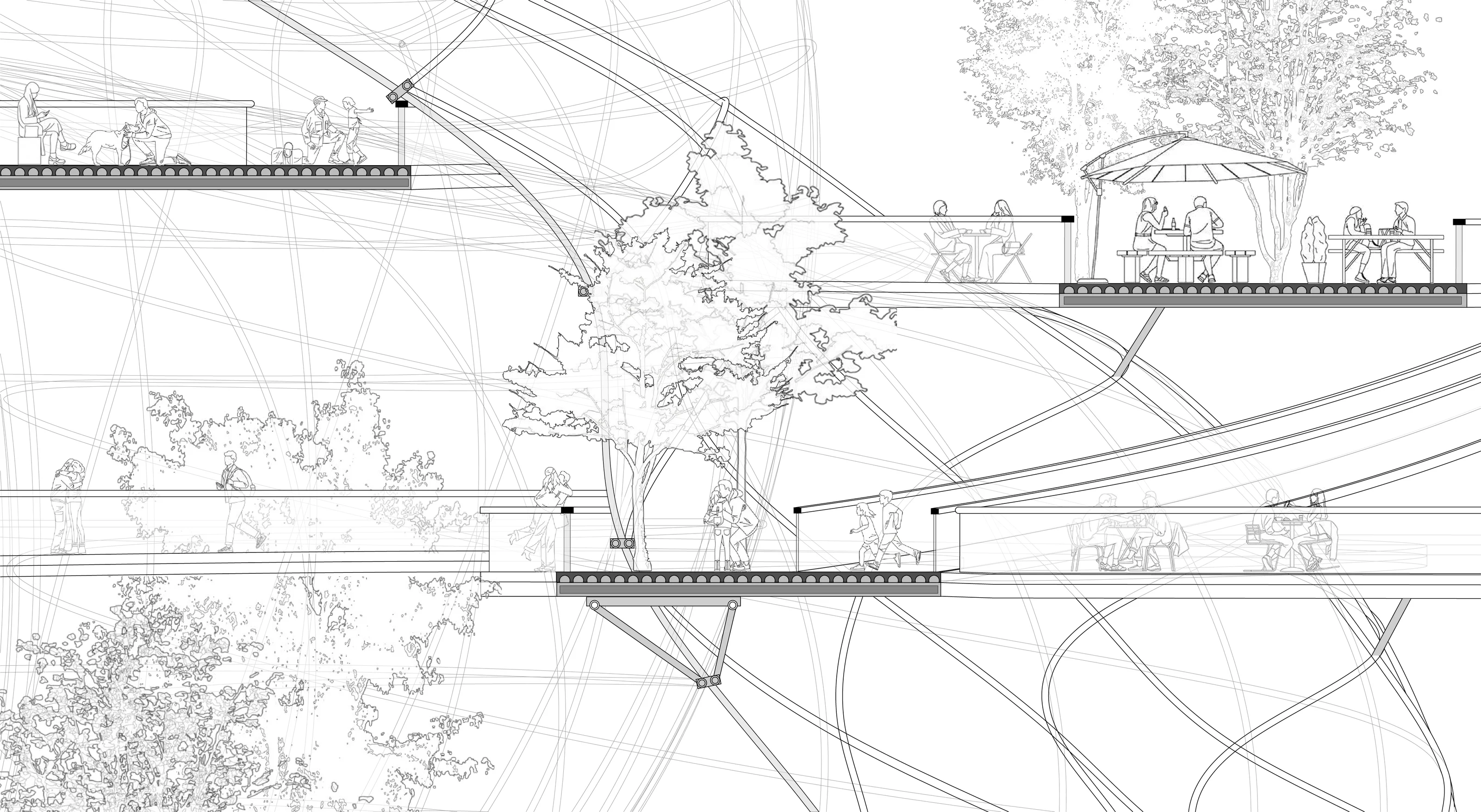
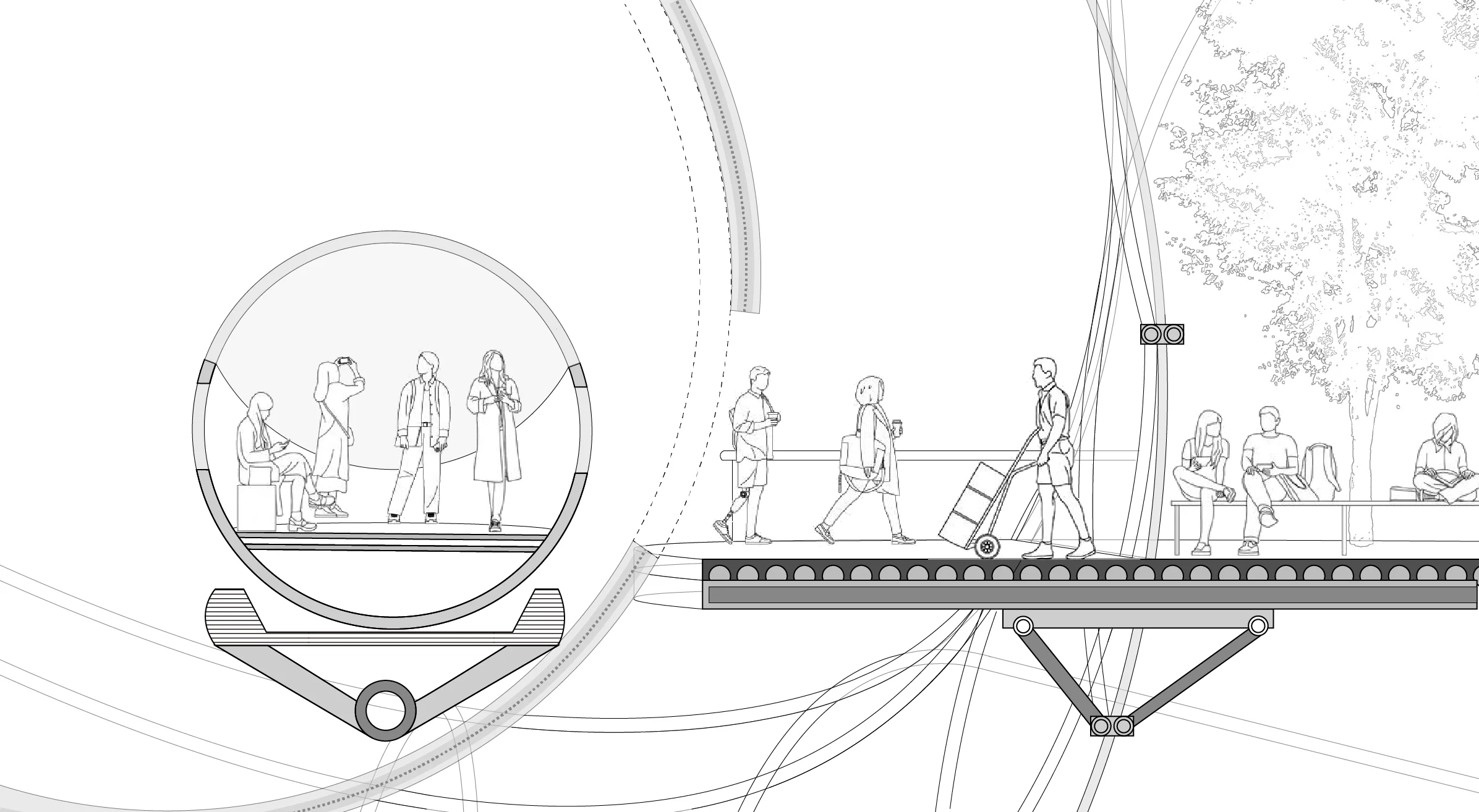
Main Perspective
Main Perspective