
Test - Personal Statement
This is a test of Cover Story, using my Personal Statement of the application of GSAPP.
Part 1 - Briefing
Nietzsche鈥檚 proclamation, 鈥淕od is dead!鈥? calls us to confront all objective realities. Applying that principle throughout my rigorous undergraduate studies in architecture, I came to recognize that architectural design must incorporate advanced technologies, establish systematic evaluation frameworks, and even redefine our very notion of design.
Headline 3 Test
This vision motivates me to bridge design and analysis with technical approaches, seeing architecture as a dynamic system endowed with adaptability and feedback mechanisms. During my 鈥淏uilding Physics鈥?course, I realized that a building鈥檚 performance is a result of a complex physical system鈥檚 response. After studying the fundamental principles of light, heat, and acoustic environments, I analyzed case studies in Guangzhou to evaluate how targeted design strategies improve energy efficiency and occupant comfort. In these projects, I became adept at using energy simulation tools in Grasshopper, such as Ladybug, Honeybee, and Dragonfly. I learned to ground architectural design in environmental logic and make analysis an indispensable part of my process.
Part 2 - Statement
To address subjective experience with similar rigor, I conducted VR-based eye-tracking experiments as part of an innovation collaborative project. Through doing that, I studied how spatial sequences influence human perception and visual engagement. By leveraging equipment and monitored data to capture subjective human sensations, I honed my ability to employ technological methods in research. Subsequently, I integrated the insights into a paper titled 鈥淓valuation of Open Space Design in University Campuses Based on Eye-Tracking and Subjective Questionnaires鈥? which is currently accepted and scheduled for publication in 2026.
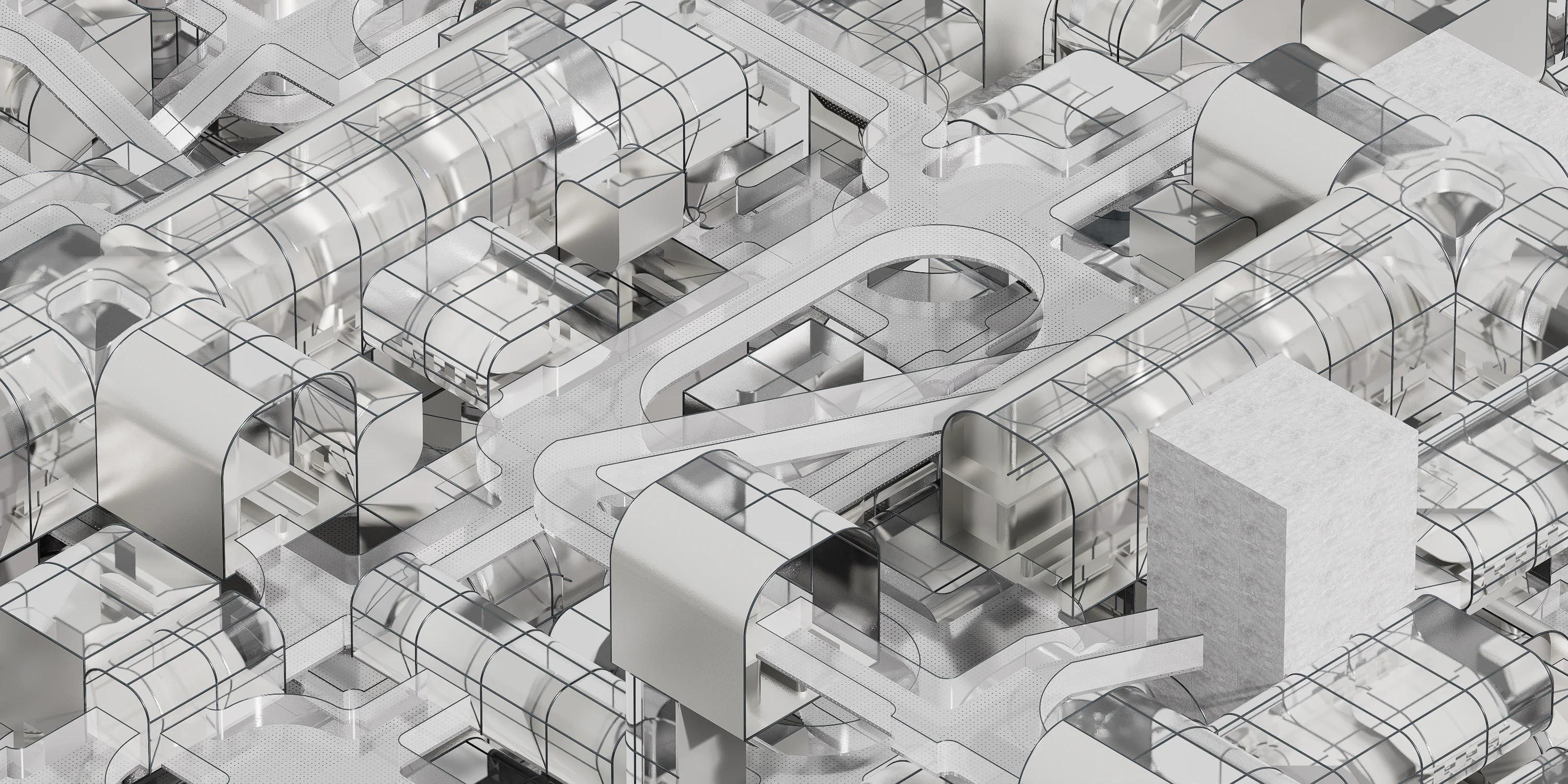
Meanwhile, I actively applied these tools and concepts in real design projects. For the project 鈥淓co-Nexus Home鈥? focused on sustainable green architecture, my design approach was anchored in energy insulation and economic efficiency. I initially generated a random series of form modules, and then employed algorithms in Grasshopper to analyze the duration of direct sunlight each module received, ultimately selecting the configuration with the optimal sun exposure. Additionally, by repurposing discarded lumber and biomass into modular, thermal-insulating bricks, the design provides a sustainable solution that resonates with the regional timber-building legacy. Adaptive design system, combined with computational tools, offers an opportunity to achieve sustainability while respecting the regional context.
This is a quote. This is a quote. This is a quote. This is a quote. This is a quote. This is a quote. This is a quote. This is a quote. This is a quote. This is a quote. This is a quote. This is a quote. This is a quote. This is a quote. This is a quote. This is a quote. This is a quote. This is a quote.
Part 3 - Planning
My short-term goal is to join a design research institution pioneering future architectural exploration. I aspire to design resource-efficient, healthy, and equitable architectural systems through technological innovation practices and ecological performance analysis. In the Master of Architecture program at Columbia University, I will acquire the knowledge to design more resource-efficient and comfortable buildings by taking courses such as TECH I Environments in Architecture. Moreover, I look forward to learning from the director of the Natural Materials Lab, Professor Lola Ben-Alon, who has made significant achievements in the field of green building, and gaining more inspiration from her. Additionally, I value the various architecture events the program holds, so I will have the privilege to meet more professionals and get more insights.
For my long-term career plan, I aim to engage in practice and research at the intersection of architecture and technology, contributing to cutting-edge projects like future cities and intelligent spatial systems. I also hope to pursue a doctoral degree, advancing researches focusing on upgrading paradigms of architectural thinking. The interdisciplinary research platforms and expansive alumni networks offered by Columbia University will be instrumental in achieving these ambitions.